
Background note: this item is from June 2026, but it still shapes how clinics handle patient records and insurance claims, so it is worth a second look.
India’s Ministry of Health and Family Welfare scheduled the launch of several digital health tools for 29 June 2026, according to a report by The Policy Edge published on 27 June 2026. The report describes three building blocks that matter to private practice.
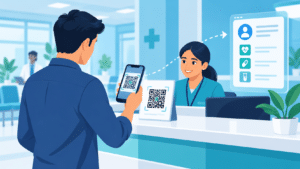
First, a redesigned Aarogya Setu 2.0 personal health record app. As described, it lets people manage their ABHA, share medical records with consent, register for outpatient consultations and find nearby hospitals. Second, the National Health Claims Exchange (NHCX), a common infrastructure for exchanging health insurance claims between hospitals and insurers using FHIR standards. Third, common coding standards, including a Drug Registry, Common LOINC Codes for India and the Bharat Health Terminology Service, meant to make prescriptions and lab reports consistent across providers.
In plain terms: patients may increasingly arrive with an ABHA-linked record and expect their clinic to read and share it with consent, and insurer claims may move toward standardised digital formats. The report does not set deadlines or obligations for small clinics, so treat this as direction of travel, not a mandate.
What this means for your clinic
One concrete check this week: ask your front desk or software vendor whether your records or billing system can generate an ABHA-linked record and whether it supports FHIR-based exchange. Note the answer and the vendor’s timeline in writing. If you advertise “digital” services on your website, make sure each statement matches what you can actually do today.
This is a general information brief, not legal or medical advice, and it makes no outcome claims.
Sources: The Policy Edge: Health Ministry to launch ABDM digital health platforms (27 June 2026), which links to the related PIB press release.